Workshop
-
Costume Design
Costume design begins for me with understanding the character, the world they inhabit and the role their appearance plays within the wider visual language of a production. Research into character, period and context gradually develops into decisions about silhouette, colour, proportion and detail.
The process can take different forms depending on the project. Designs may be developed through visual research and drawing, realised by sourcing and adapting existing garments, or explored directly through making, prototyping and experimentation.
The following examples offer a glimpse into these different approaches, tracing the development of selected costumes from early research and conceptual exploration to realised designs.
Research and Moodboards
These moodboards were developed for Le Conte d’Hoffmann in collaboration with director Larissa Copetti-Campi as part of the European Opera-directing Prize (EOP). Combining character analysis with references for silhouette, colour, materials, styling and transformation, they were used to establish an initial visual language for the costumes before moving into detailed design.
From Design to Costume — Sourcing & Alteration
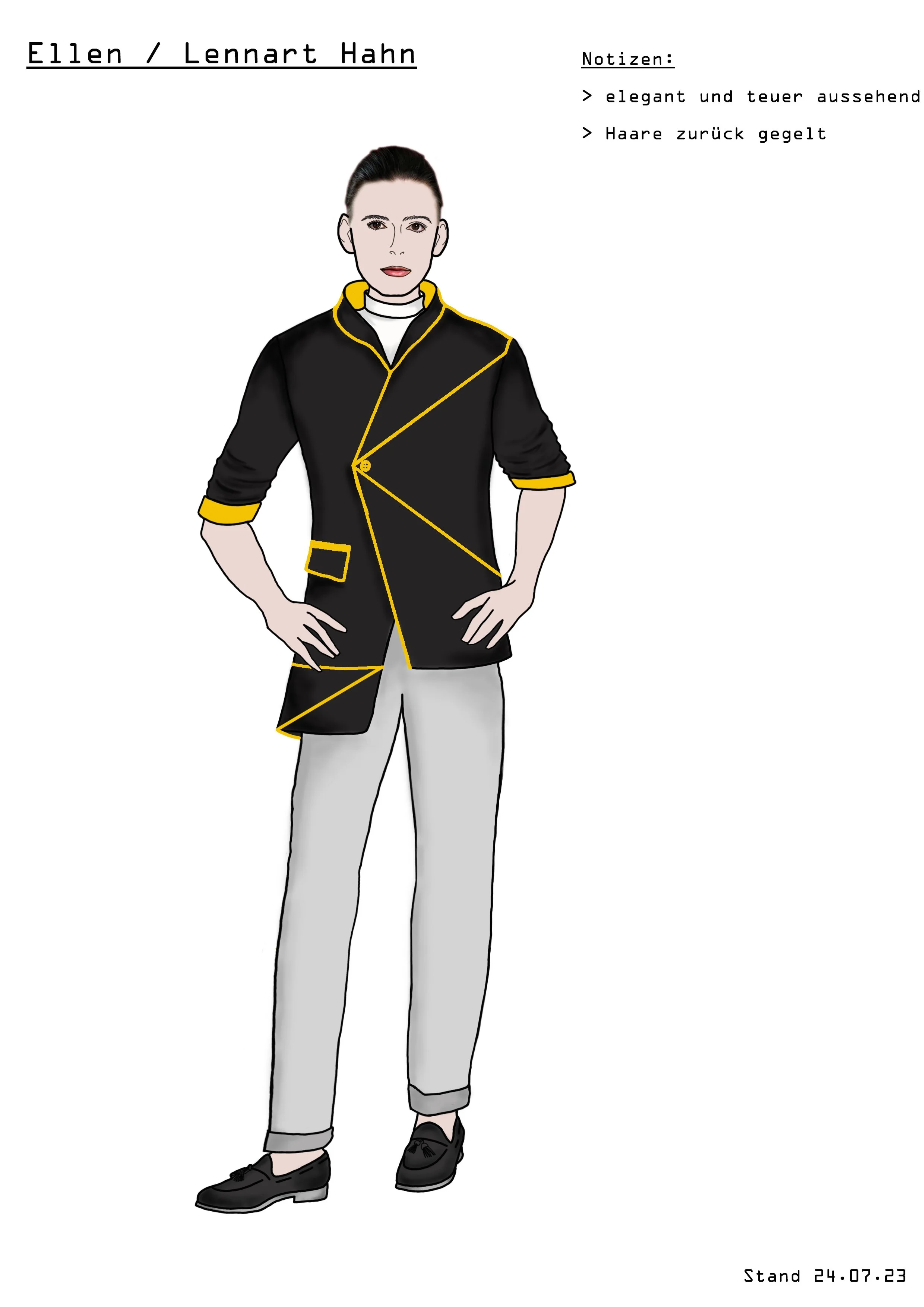
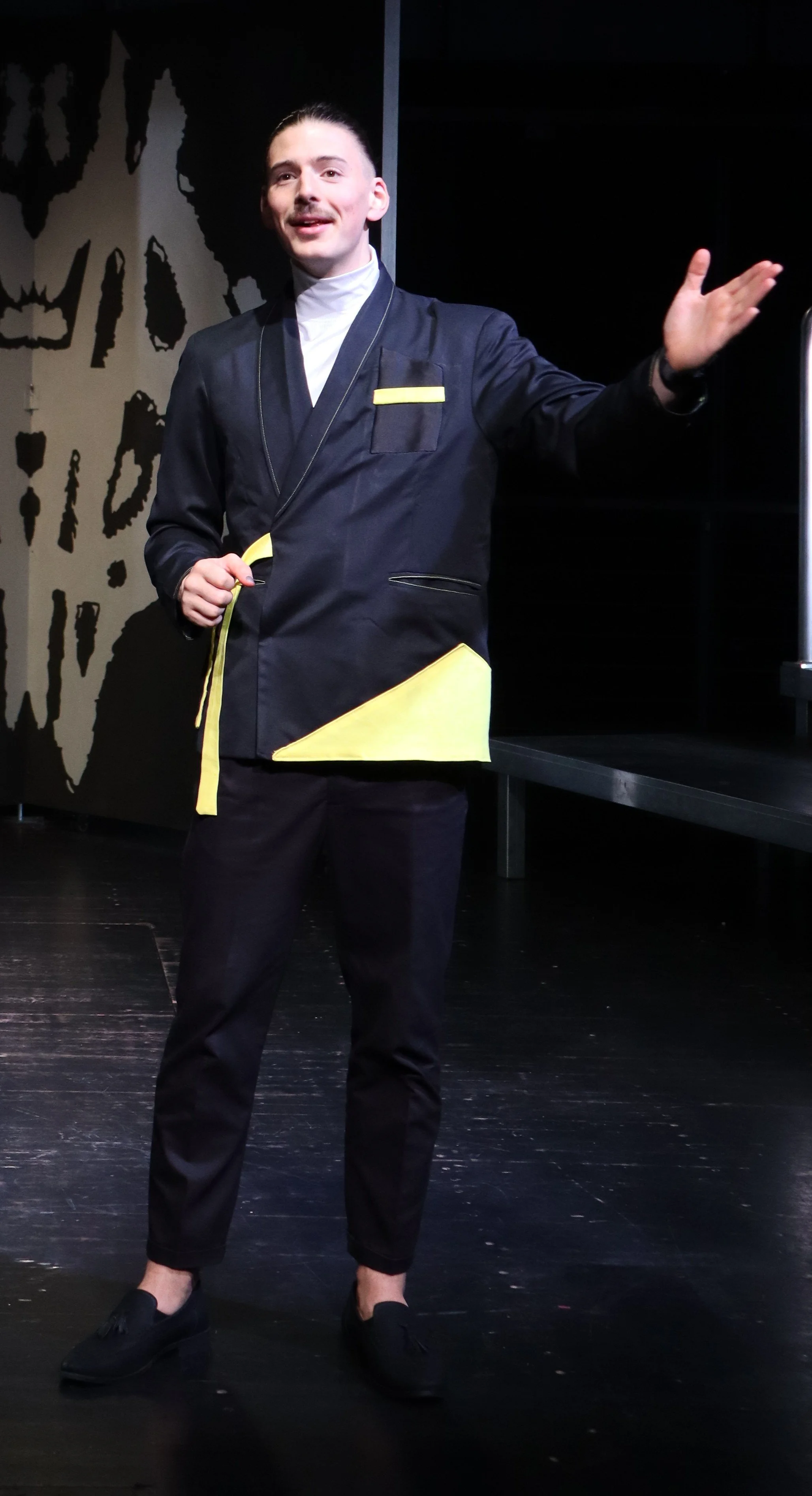
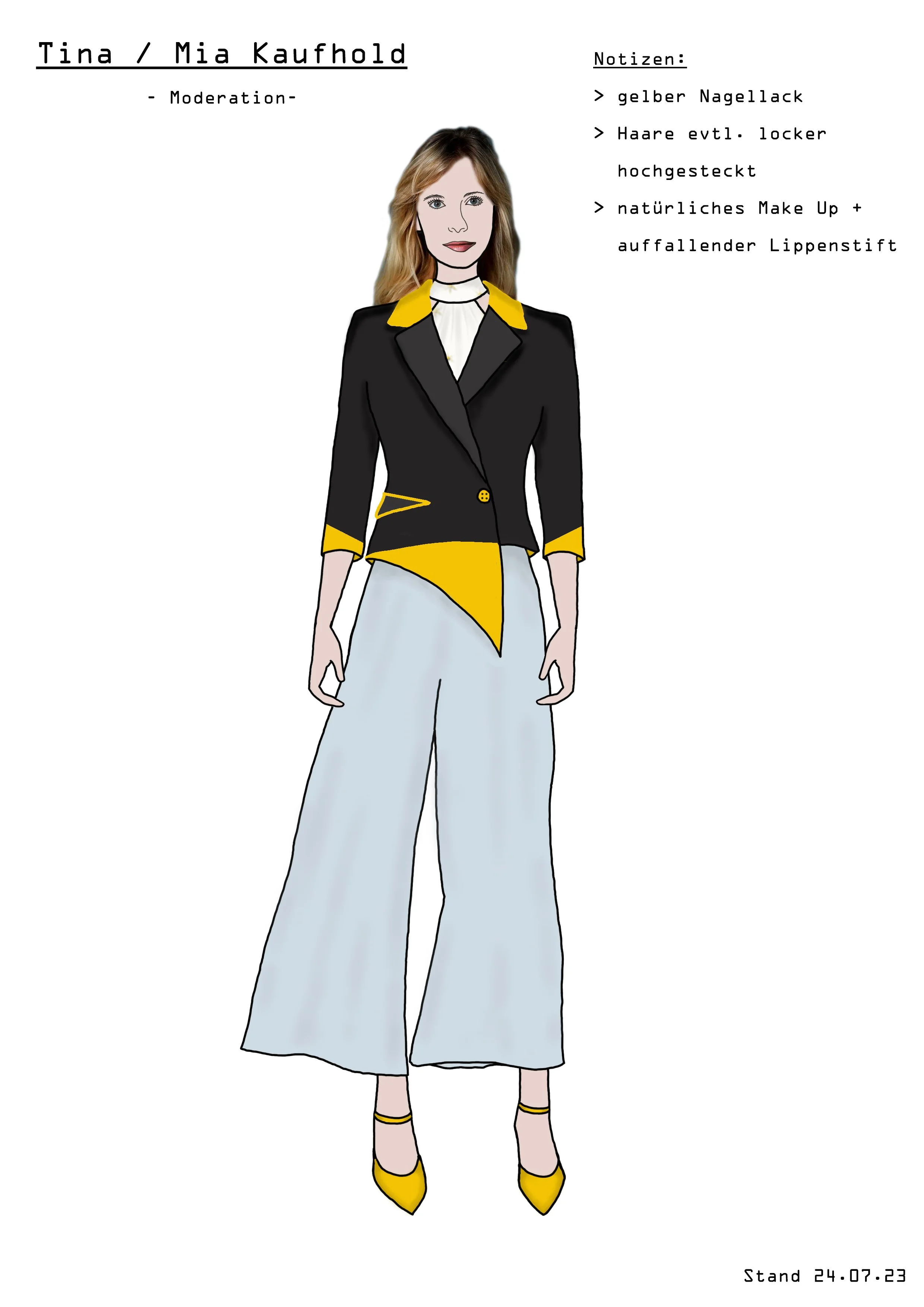
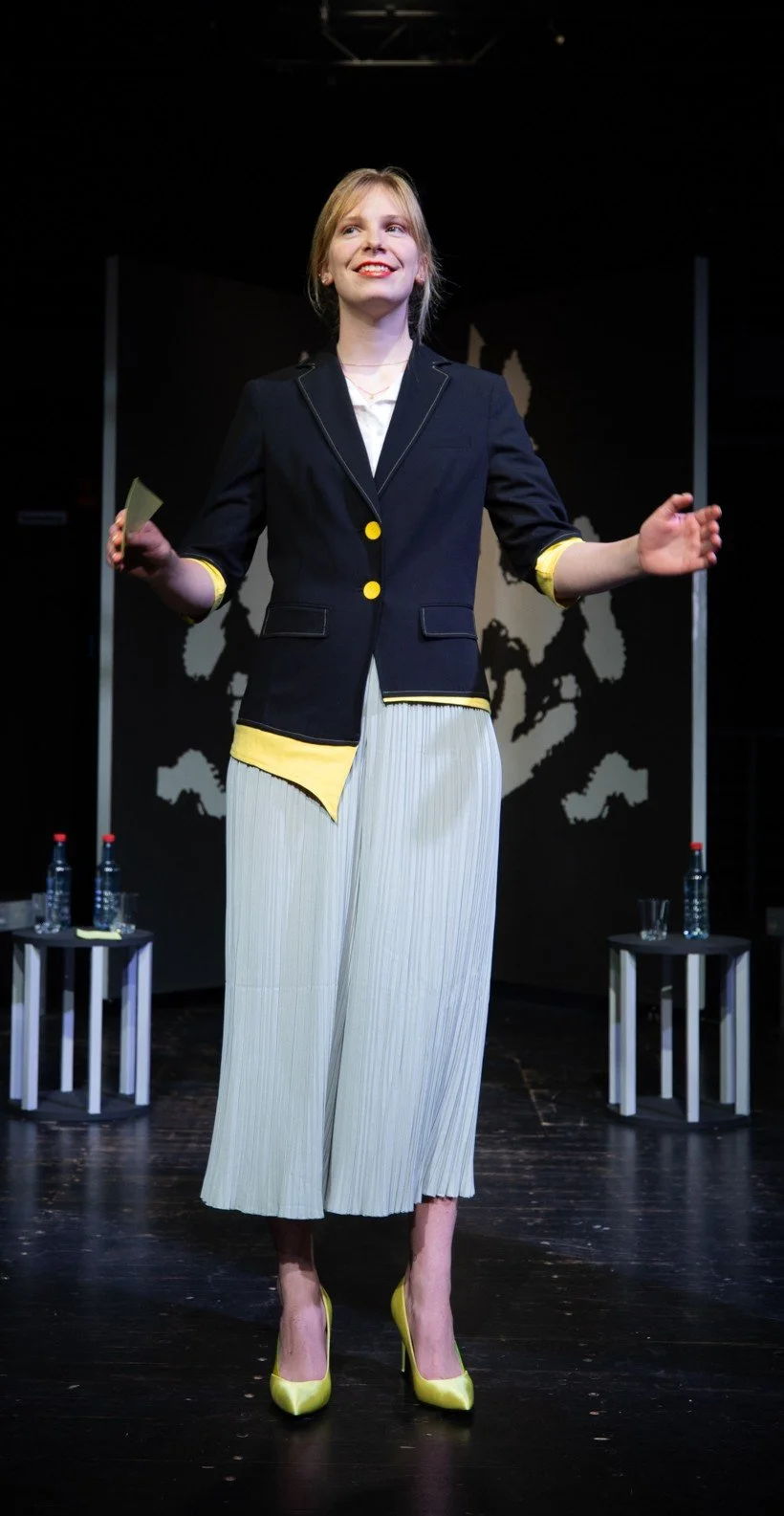
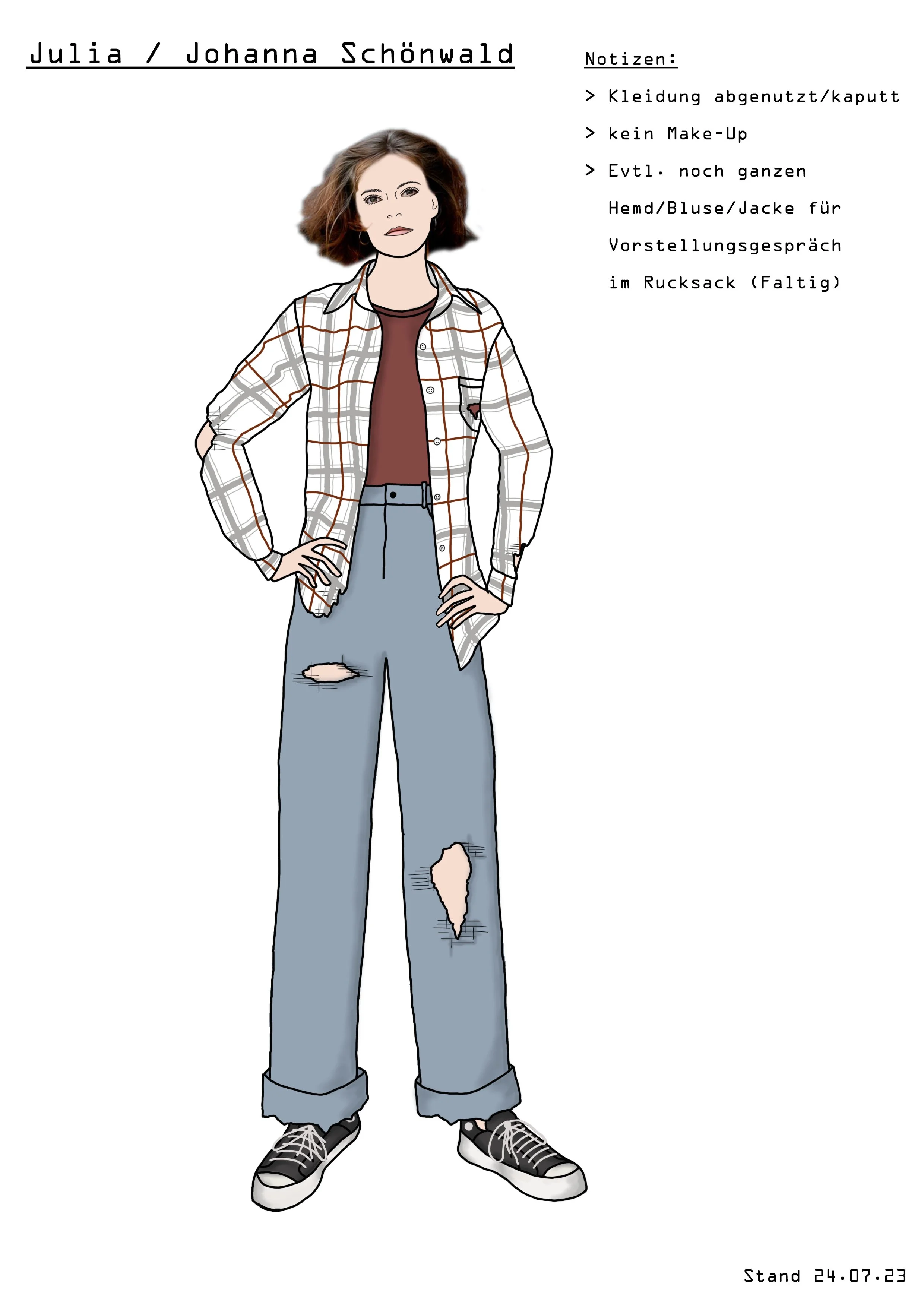
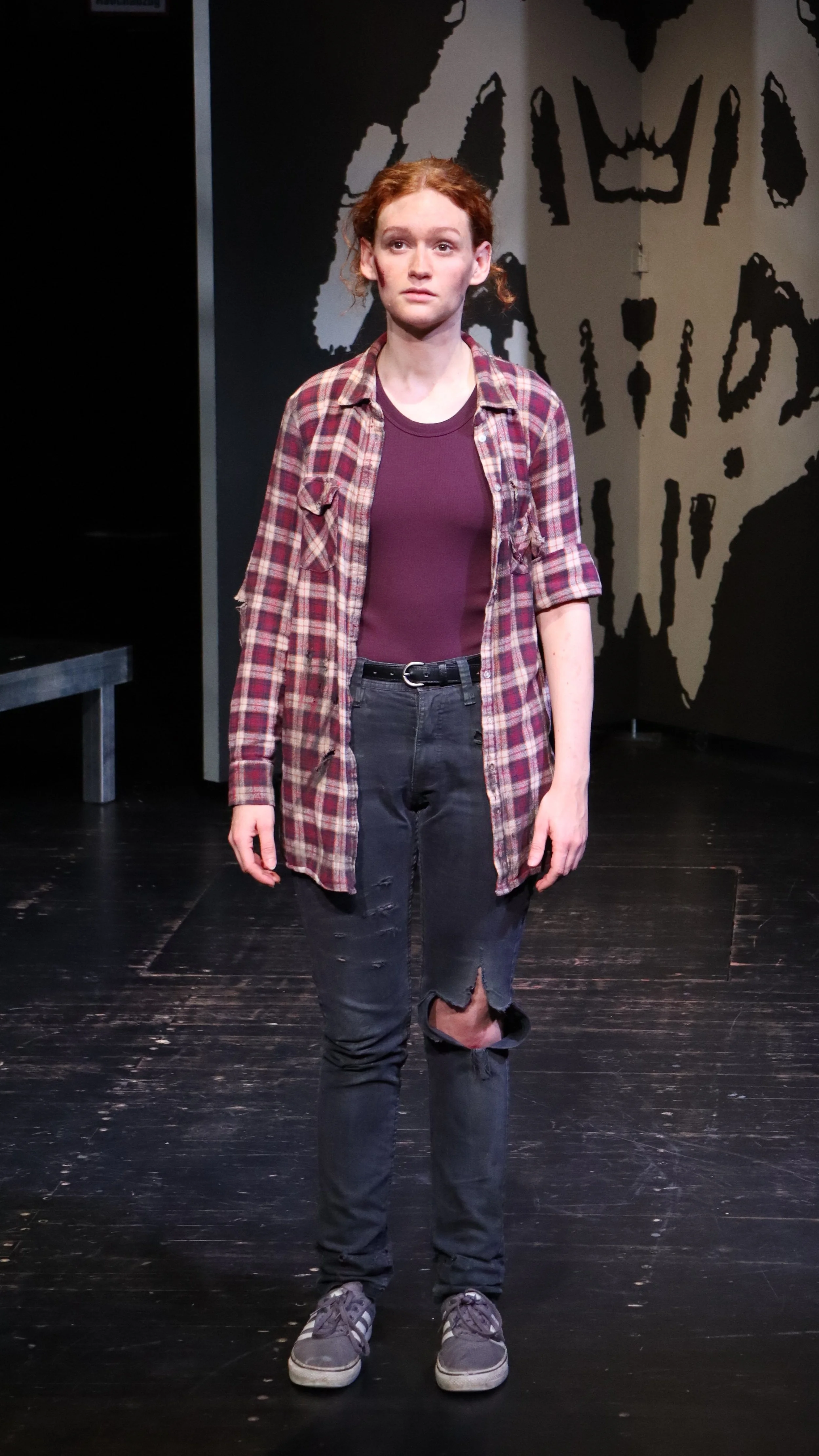
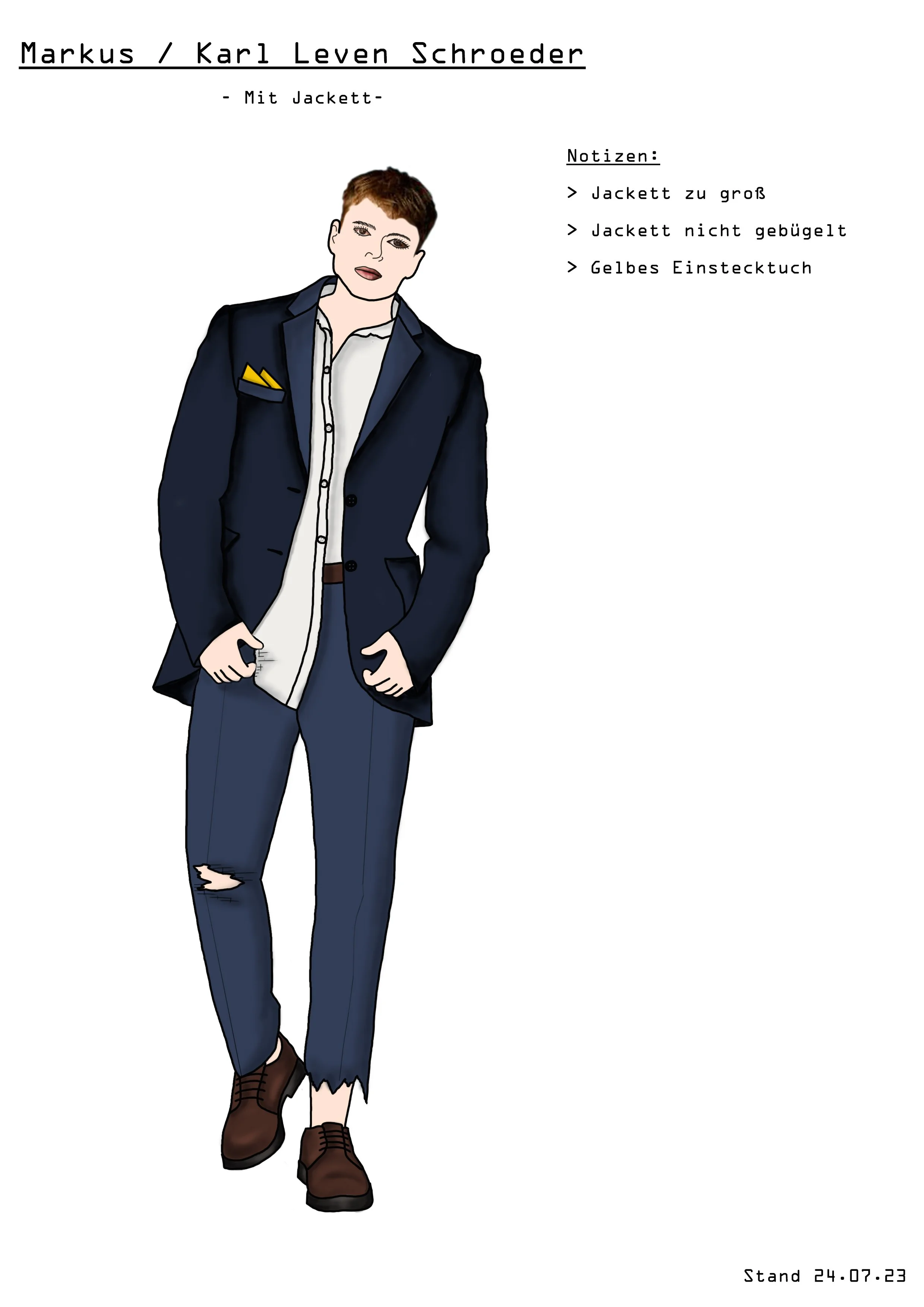
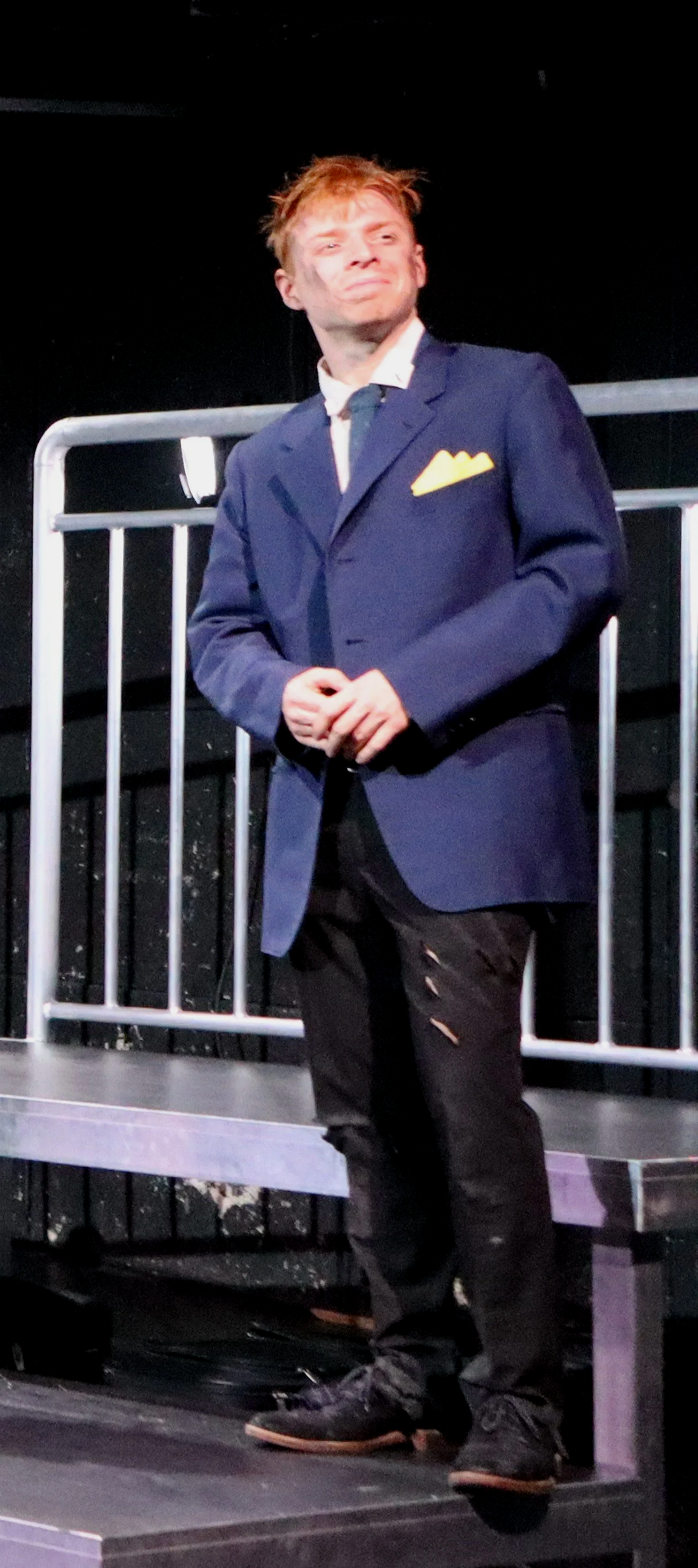
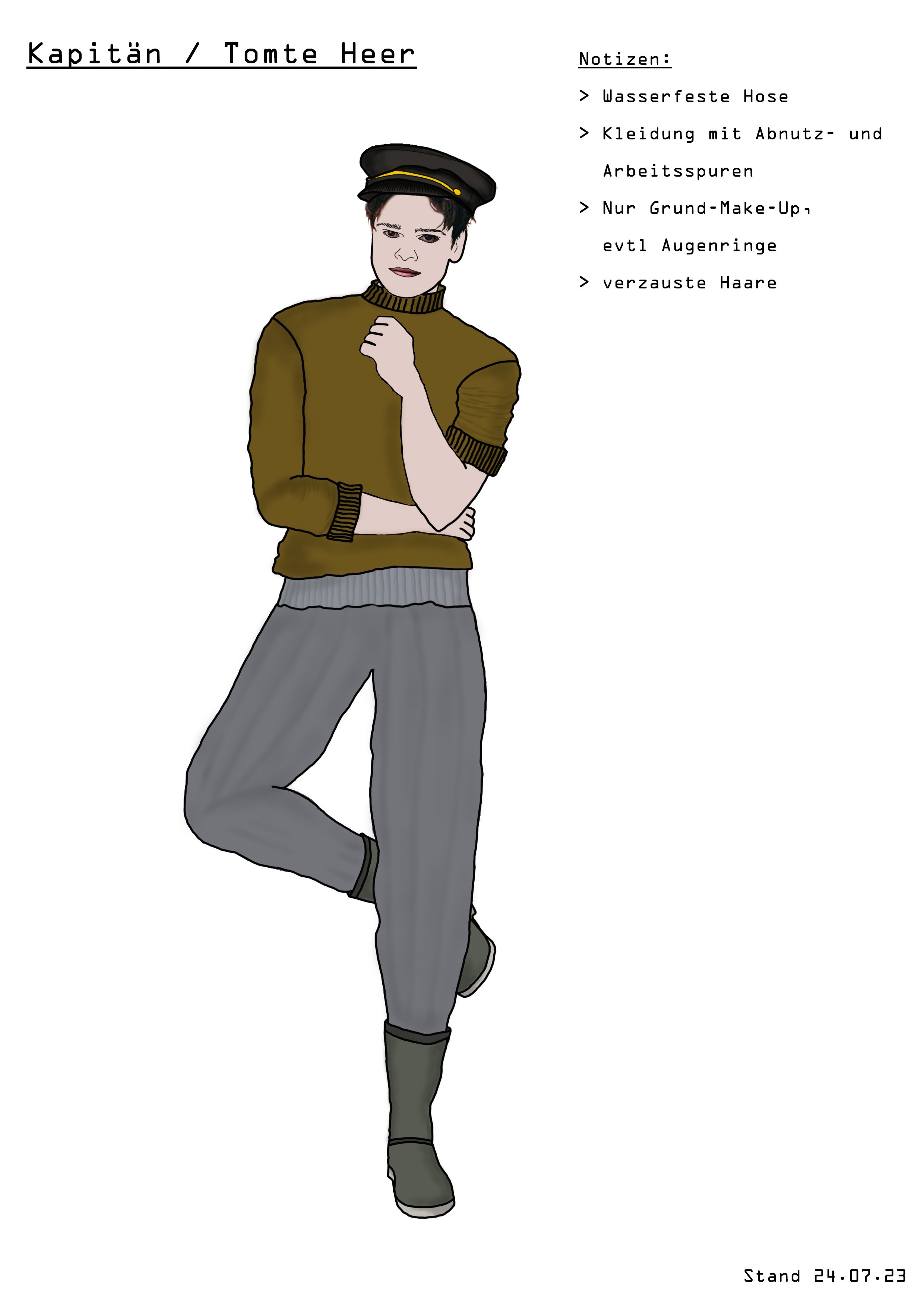
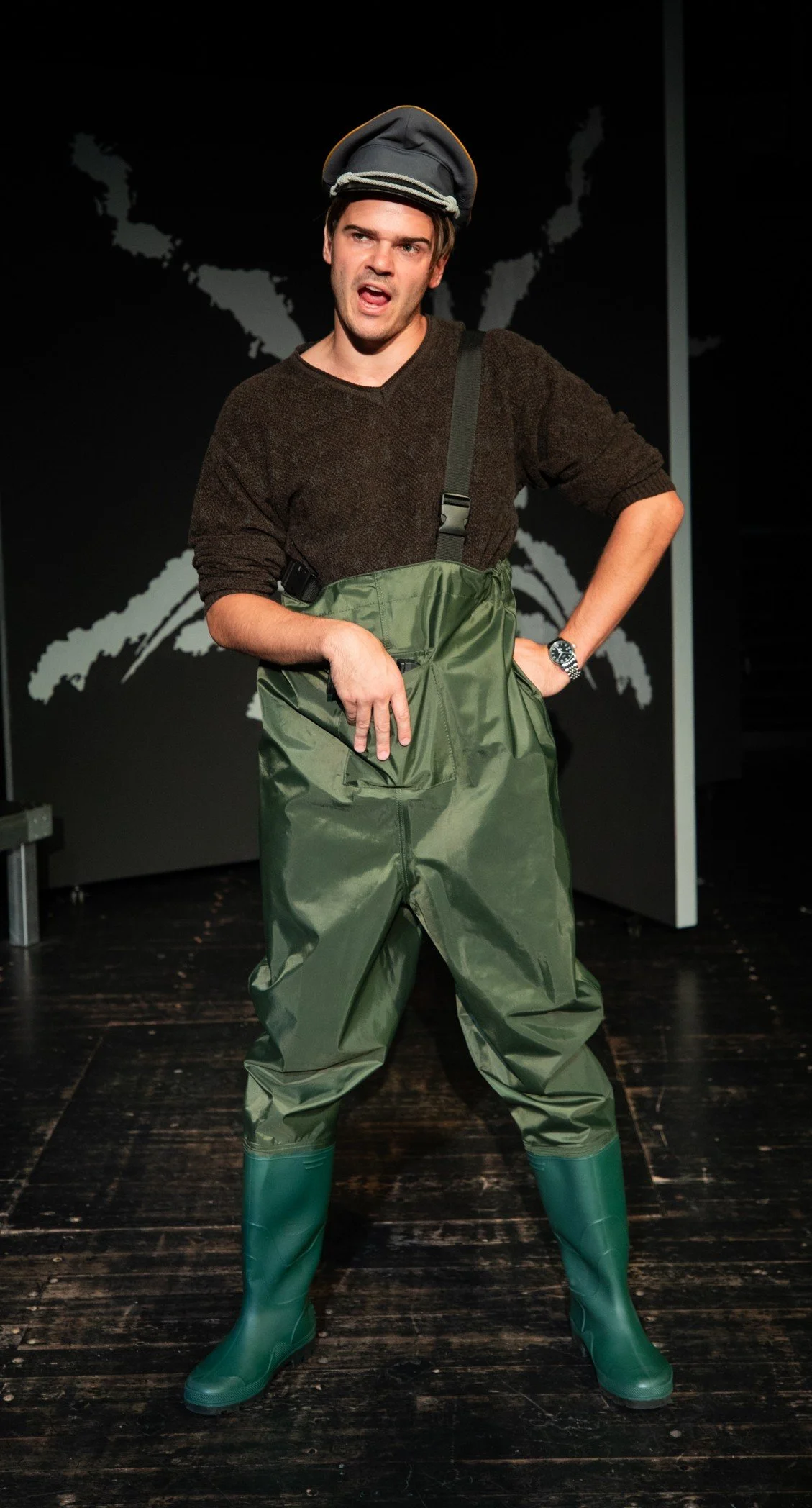
These costumes were realised by sourcing and adapting existing garments in response to the designs, allowing the intended silhouettes, colour relationships and character details to be developed within the practical conditions of a production without a dedicated costume workshop.
From Design to Costume - Making
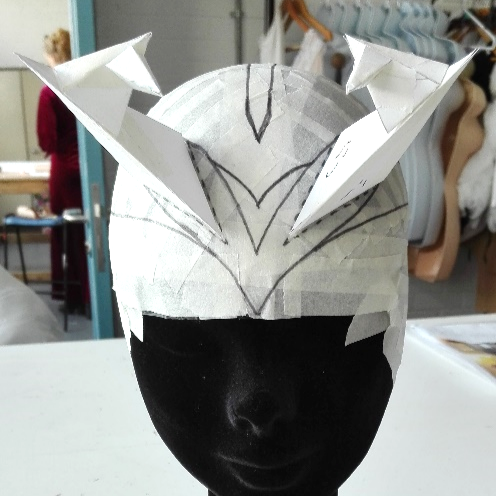
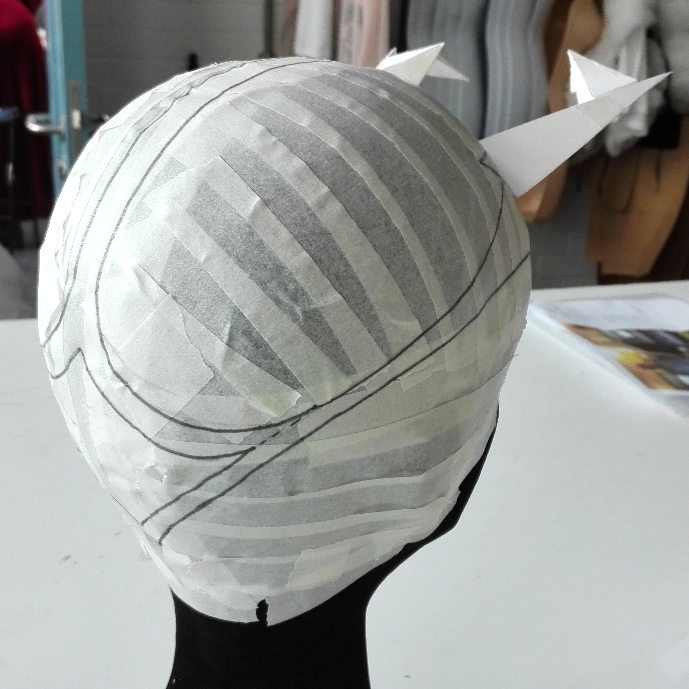
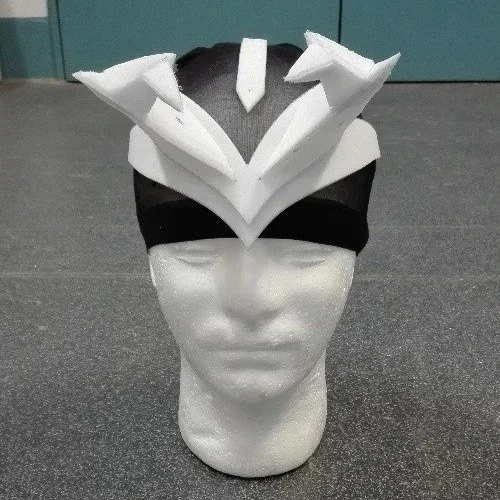
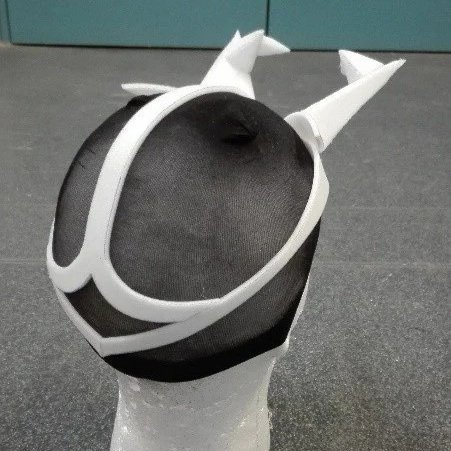
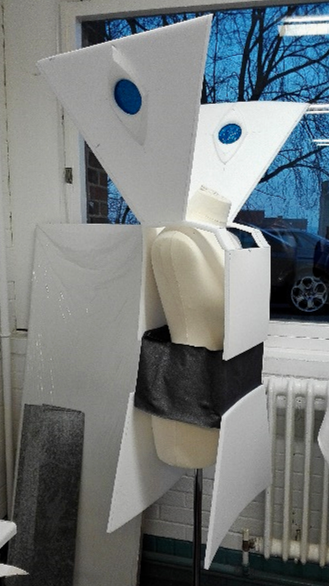
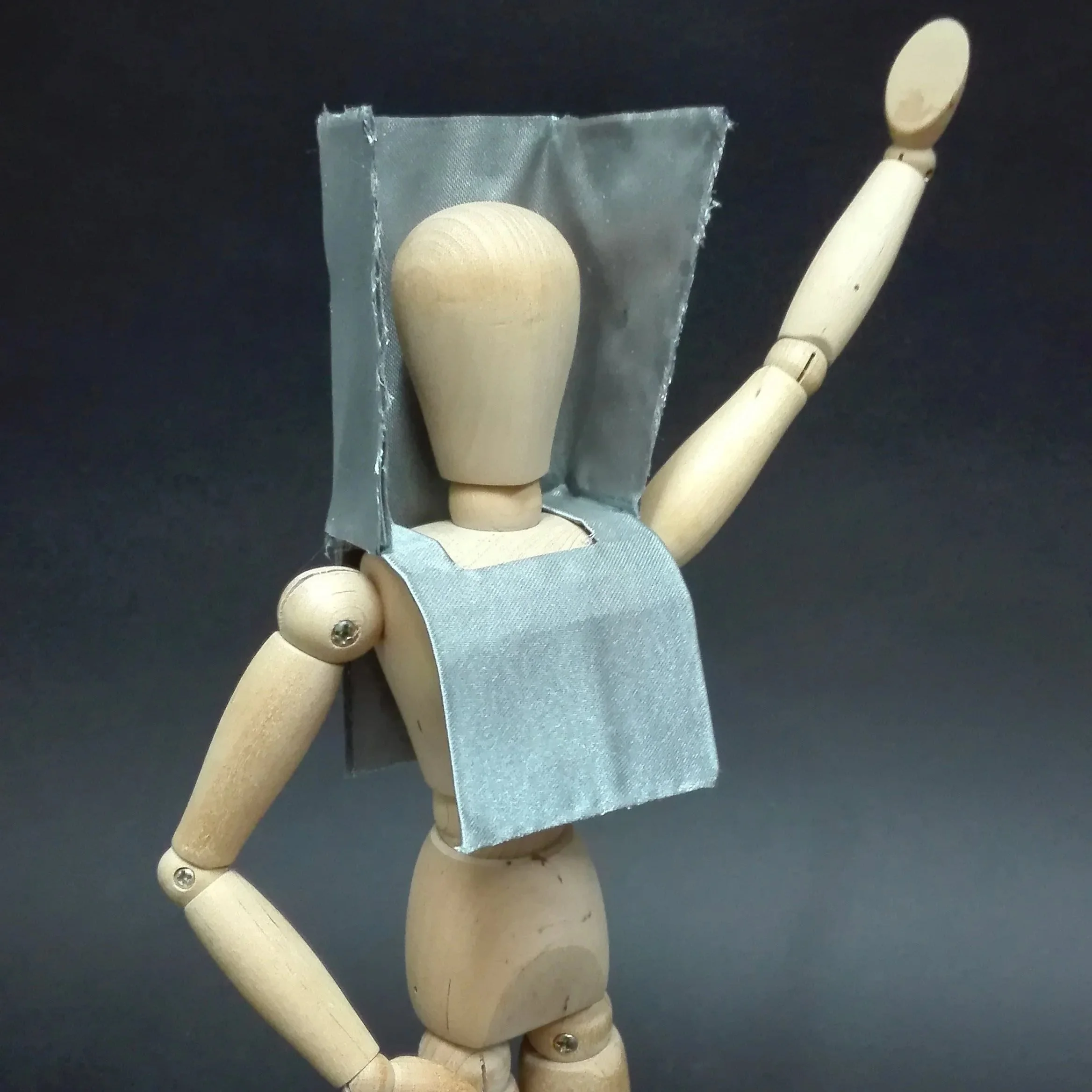
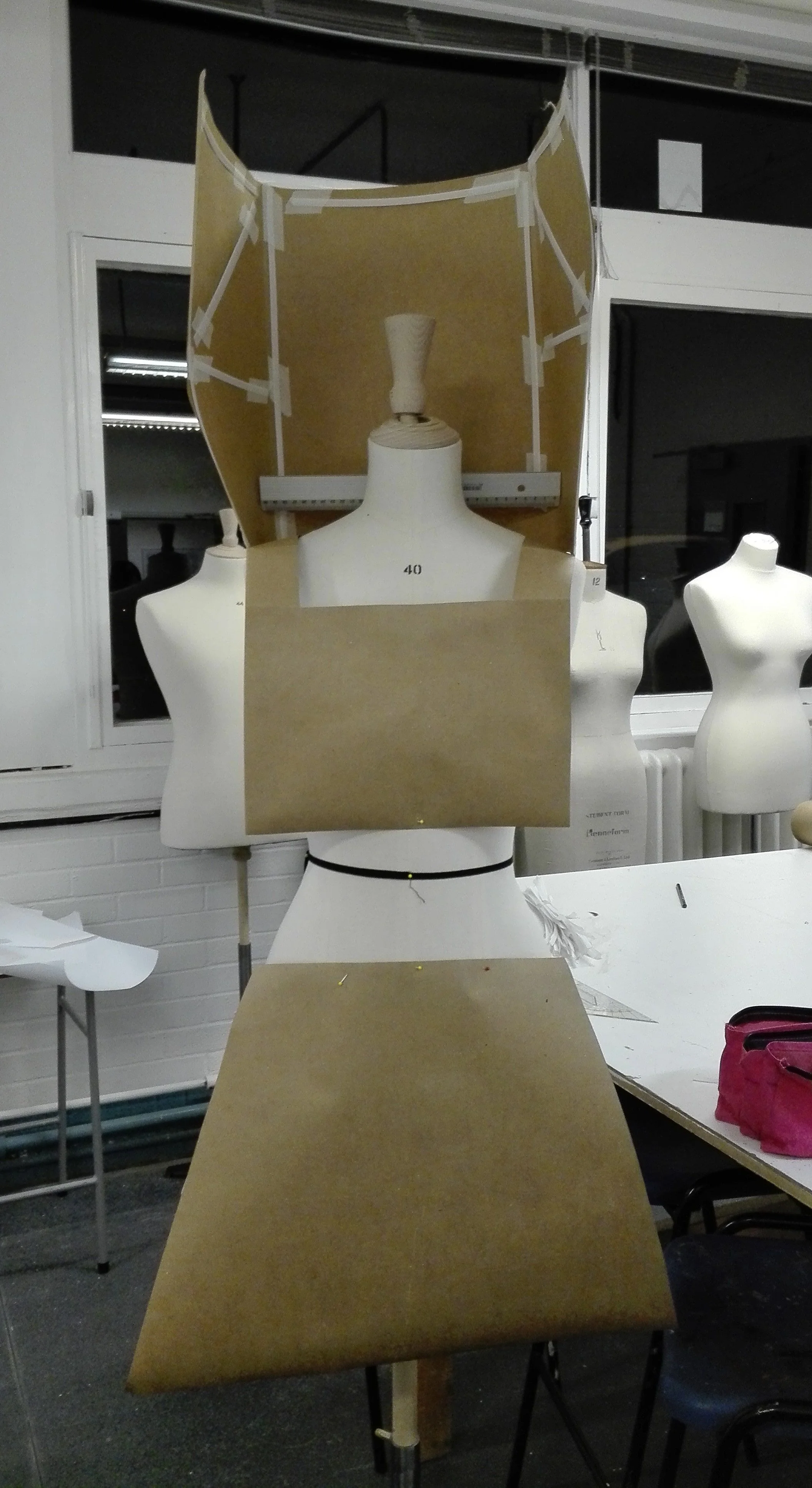
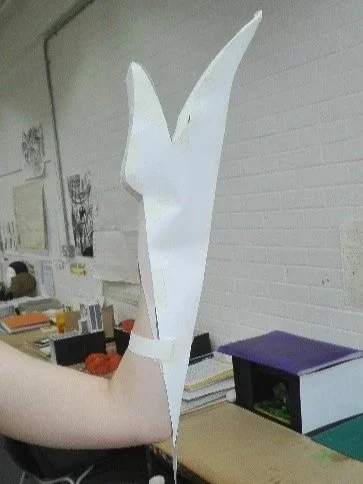
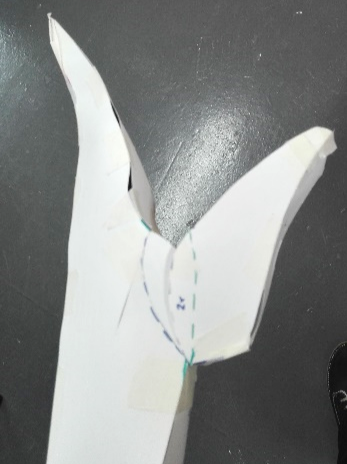
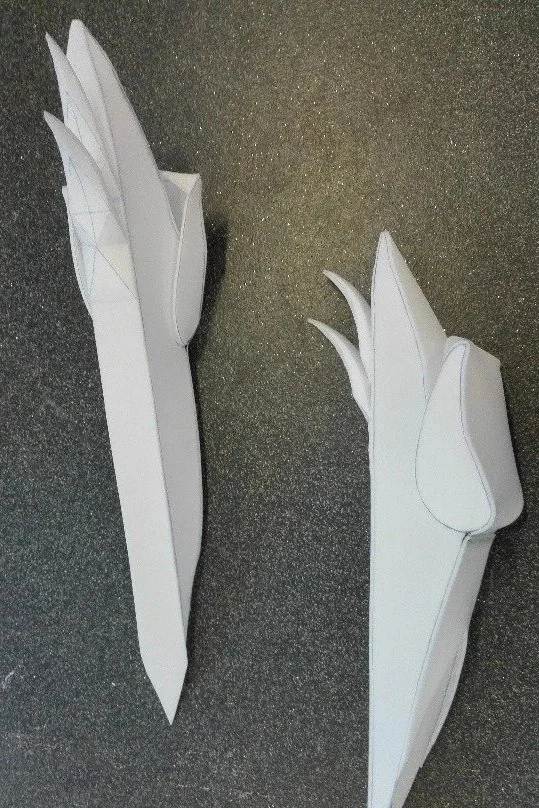
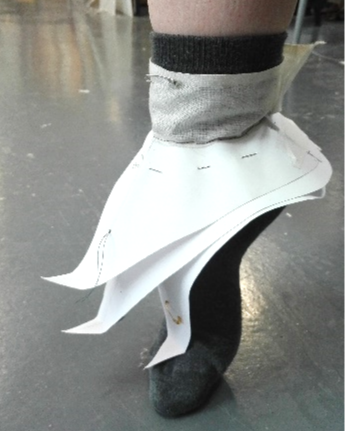
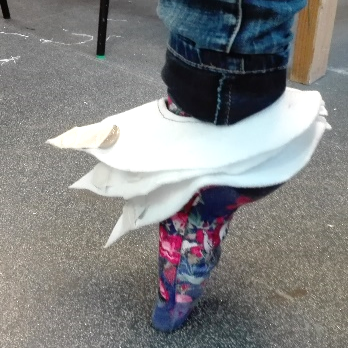
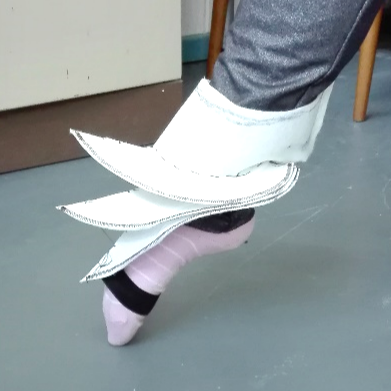
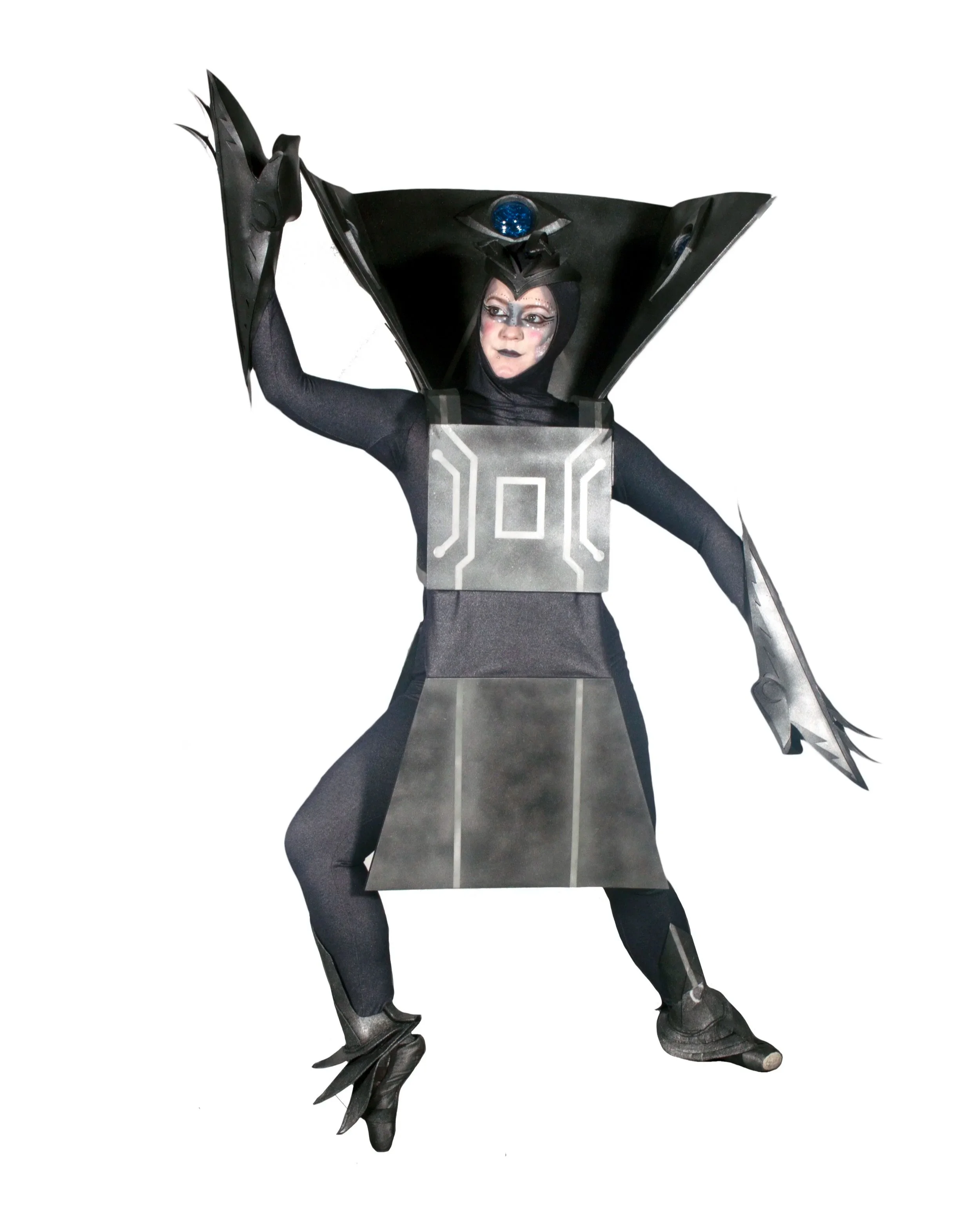
Developed for a sci-fi dance project during my studies, this costume was explored through drawing, material experimentation and hands-on prototyping. Individual elements were tested directly in three dimensions, allowing their shape, proportion and relationship to the moving body to develop throughout the making process.
The images trace this progression from the initial design through prototypes and construction tests to the completed costume.